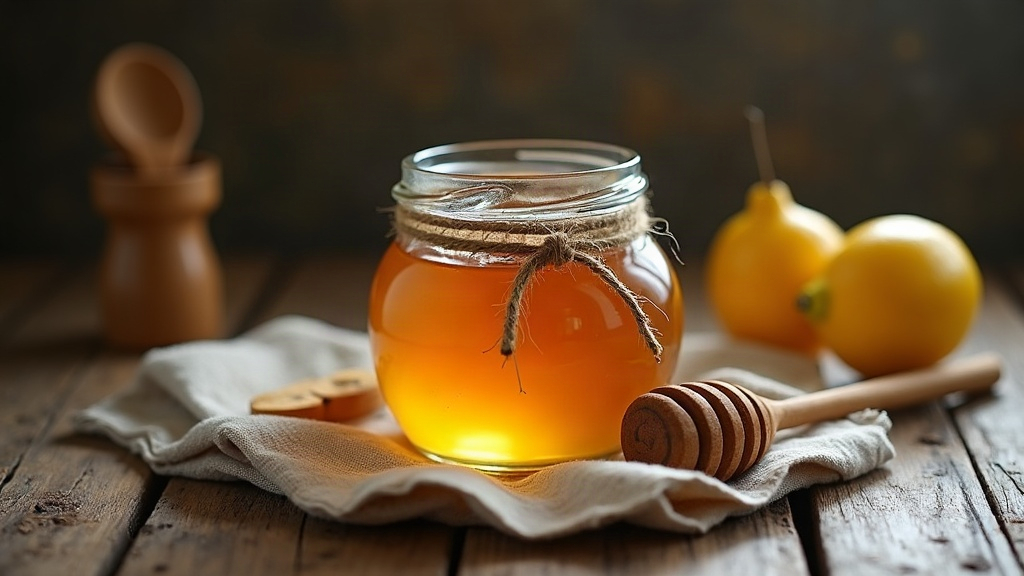
Every morning, a warm cup and a little honey start the day for millions of people. Here’s the quiet tradition behind it — and why it still comes up in conversations about aging well.
Nobody wakes up one day and forgets everything. It’s smaller than that. A name that takes a second longer. A word that hides right before you say it. Here’s what tends to shift, and why.
Deep sleep naturally shortens with age. Since the brain does a lot of its overnight housekeeping during those deep stages, lighter sleep can mean a foggier morning.
Retirement, fewer deadlines, less structure — daily rhythm can drift. A less predictable routine sometimes means less predictable focus.
Appetite changes with age, and so does how efficiently the body absorbs certain nutrients. Small gaps can build slowly over years without much notice.
Financial worry, caregiving, health concerns — midlife and beyond often carries a heavier mental load, and that load doesn't just disappear at bedtime.
A lot of what people believe about memory and age is half-true at best. Let’s separate the folklore from the facts.
Memory loss is inevitable after 50.
Some changes are common, but they vary widely from person to person. Age alone doesn’t determine how sharp someone feels.
If you don’t use it, you completely lose it.
The brain adapts throughout life. Staying mentally and socially engaged is associated with feeling sharper, but nothing is permanently ‘lost’ overnight.
Traditional morning habits are just superstition.
Many older routines — tea, quiet mornings, simple ingredients like honey — were built around consistency and calm, two things modern science still values.
This isn’t complicated. It’s the kind of small routine that fits into a morning that already exists.
Before the phone, before the to-do list, take a few quiet minutes. Just sitting with a warm drink counts.
The same small ritual, most mornings, matters more than doing something elaborate once in a while.
Many traditional morning routines combine warmth with a simple natural ingredient like honey — not as a fix, but as part of the pause itself.
In parts of Japan, a warm drink with a touch of honey has long been part of how the day begins — often alongside a slower, quieter start than what’s typical in a lot of Western mornings. It wasn’t framed as medicine. It was framed as a moment of calm before the day picked up speed. Researchers who study longevity in regions with older populations have noted that consistent, low-stress morning routines are a common thread — not a single ingredient, but the whole pattern of slowing down before speeding up.
The insight isn’t about honey by itself. It’s about what a calm, repeated morning ritual represents: structure, consistency, and a few unhurried minutes before the noise starts.
Everyone loses their train of thought sometimes. Noticing it happen often, especially in the same conversation, is worth mentioning to a doctor.
Getting turned around in a place you've been to dozens of times is different from an occasional wrong turn.
Asking the same question minutes after getting an answer, more than once, is a pattern worth tracking.
If group conversations feel harder to keep up with than they used to, that's worth noting.
Keys in the fridge, glasses in the pantry — occasional, sure. Frequent, worth a conversation with a professional.
Pulling back from hobbies or social plans because they suddenly feel more confusing or tiring can be an early signal.
These are individual experiences and opinions, not guarantees. Results and impressions vary from person to person.
No. This is an educational look at a traditional morning habit, not a medical treatment, diagnosis, or cure for any condition.
Honey has a long history as part of traditional morning rituals in several cultures, including parts of Japan. The focus here is on the ritual and the tradition, not on any specific health claim.
Not at all. The idea is a small, consistent addition — not an overhaul of your existing routine.
There’s general research interest in how routine, sleep quality, and stress relate to how people feel day to day. This content presents tradition and observation, not clinical claims.
We can’t say, and we wouldn’t want to guess. Everyone’s experience with any routine is different.
If you have dietary restrictions, allergies, or health conditions, check with a healthcare professional before adding anything new to your routine.
The short video linked above walks through the full tradition and how people have incorporated it into a simple morning routine.
The video covers the tradition, the routine, and how a simple morning habit has been passed down for generations. Take a few minutes to watch it.
Advertising Disclosure: This page contains sponsored content and affiliate links. We may receive compensation if you click a link or make a purchase through this page. This does not affect the price you pay and helps support the content we provide.
Content Disclaimer: This content is for educational and informational purposes only. It has not been evaluated by the FDA and is not intended to diagnose, treat, cure, or prevent any disease or medical condition. Always consult a qualified healthcare professional before making changes to your diet, routine, or health regimen.
Results Disclaimer: Individual results and experiences vary. Testimonials shared on this page reflect personal opinions and are not a guarantee of similar outcomes for any other individual.
© 2026 · All Rights Reserved · Questions? Visit our /contact/ page.